Only four of Korea's 19 facilities have designated medical staff
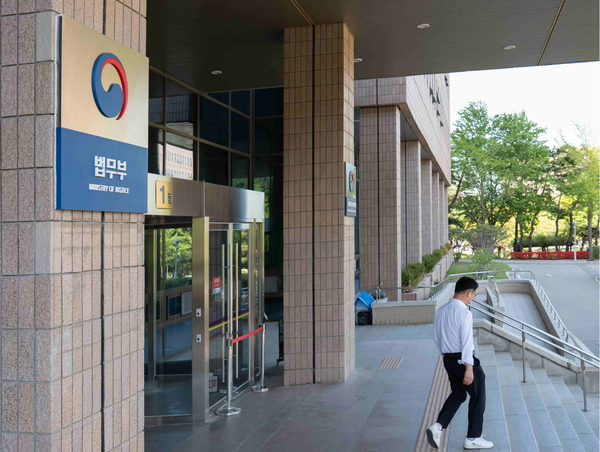
Twelve people died while being held inimmigration detention across South Korea from 2015 to 2025, government data showed Thursday, raising concerns over access to medical care at the facilities.
According to data obtained from the Justice Ministry by Democratic Party of Korea Rep. Kim Han-kyu, seven of the 12 deaths were recorded between 2015 and 2023, including two at the Hwaseong Immigration Detention Center, two at the Cheongju Immigration Detention Center and one each at immigration offices in southern Seoul, Busan and Suwon.
Three deaths occurred in 2024, one each at the Seoul Southern Immigration Office, Cheongju Immigration Detention Center and Cheongju Immigration Office. Two more deaths were reported last year, at immigration offices in Gwangju and Chuncheon.
No deaths have been reported so far this year.
The causes of death were not disclosed for three of the 12 cases — one in 2024 and two in 2025. The remaining deaths were attributed to illnesses or serious medical conditions, including lung cancer, acute heart failure, acute myocardial infarction, acute pneumonia and end-stage liver cirrhosis.
Concern over access to timely treatment
The figures have drawn attention to the limited availability of medical personnel at immigration detention facilities.
Only four of the 19 immigration facilities nationwide — the Hwaseong and Cheongju immigration detention centers and the immigration offices in Yeosu and Ulsan — have designated medical staff. Each of them is authorized to employ just one doctor and one nurse.
Even among these facilities, the Yeosu Immigration Office has been without a resident doctor since its previous physician resigned in December 2021. With no replacement hired, the office has relied on temporarily employed medical personnel to provide consultations once a week.
Under Article 7-2 of the Enforcement Rules on Immigration Detention, detainees showing signs of physical abnormalities must receive medical attention from a doctor at the facility or an outside medical institution. Article 21 also requires immigration authorities to arrange medical examinations for detainees who become ill or sustain injuries.
However, no law or regulation explicitly requires medical personnel to be stationed at all immigration detention facilities.
Critics say the situation falls short of international standards, including Rule 25 of the United Nations' Nelson Mandela Rules, which requires detention facilities to have facilities capable of evaluating, promoting, protecting and improving detainees' physical and mental health.
The Justice Ministry, however, said it assigns medical personnel to the four facilities with the largest detention capacities. Other immigration offices operate smaller detention facilities and generally hold detainees for relatively short periods of around 10 days, making the need for resident medical staff comparatively limited, the ministry said.
The ministry also emphasized that it arranges treatment for detainees reporting pain or other medical problems through cooperation with local medical facilities that have signed an agreement with the ministry.
Between January and August this year, detainees received medical treatment at outside institutions on 834 occasions, according to the ministry.
Public interest law group Duroo warned that the limited presence of medical personnel could undermine legal provisions intended to guarantee detainees access to treatment.
"Deaths are occurring even at facilities where medical personnel are not stationed because the number of detainees is considered too small," said Lee Sang-hyun, an attorney at Duroo. "More medical personnel need to be stationed at these facilities to respond to emergencies and other situations."
seungku99@heraldcorp.com


![[Survive&Thrive] Tips for getting around Seoul by subway (2)](https://wimg.heraldcorp.com/news/cms/2026/10/08/news-p.v1.20261006.1e7dee51d7f64cdba1a20b897d88cee6_T1.jpg?type=h&h=800)